
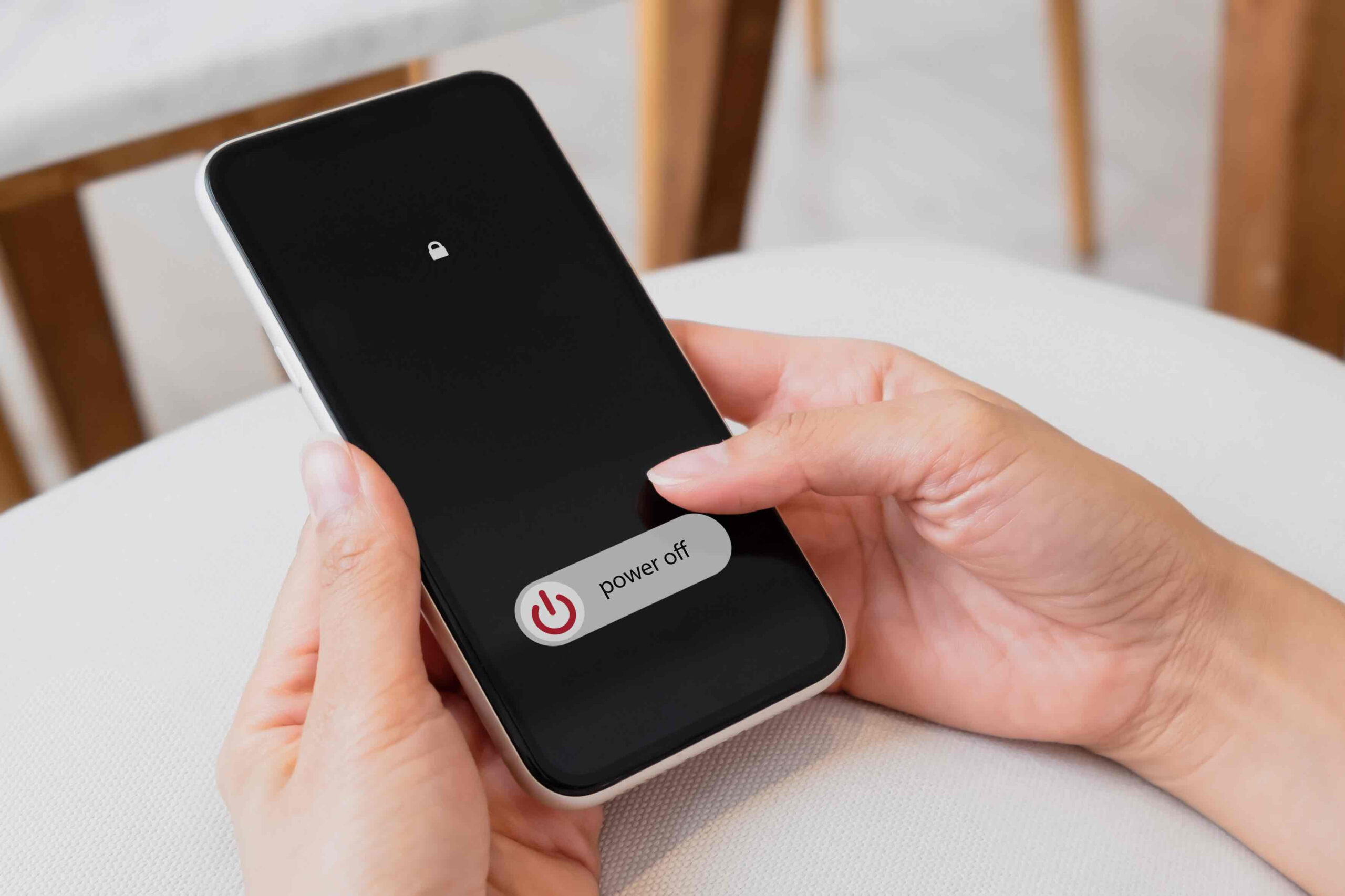
Set aside one day a week (or at least four hours) as a “digital fast.” No social media, news, or messaging apps. Use this time for walks, reading, face-to-face conversations, or hobbies. These breaks restore your brain’s neuroplasticity.
Advertising
Use the “black and white screensaver” feature on your smartphone. A monochrome screen reduces dopamine stimulation and makes your device less addictive. This is a simple but powerful life hack.
Replace morning scrolling with real actions: exercise, breathing, planning your day. You’ll notice: in the morning, you’re calmer, more focused, and more productive.
Digital overload disrupts circadian rhythms, leading to decreased metabolism, poor sleep, and even depression. Restoring your natural rhythm is key to health.
Avoid using your phone in the bathroom or toilet. This isn’t just a matter of hygiene (a screen harbors 10 times more bacteria than a toilet!), but also a matter of habit—you’re learning to be alone.
A digital detox isn’t about giving up technology, but about using it mindfully. When you control your screen, rather than the other way around, you regain your energy, focus, and inner peace.