
Category:

News

Advertising

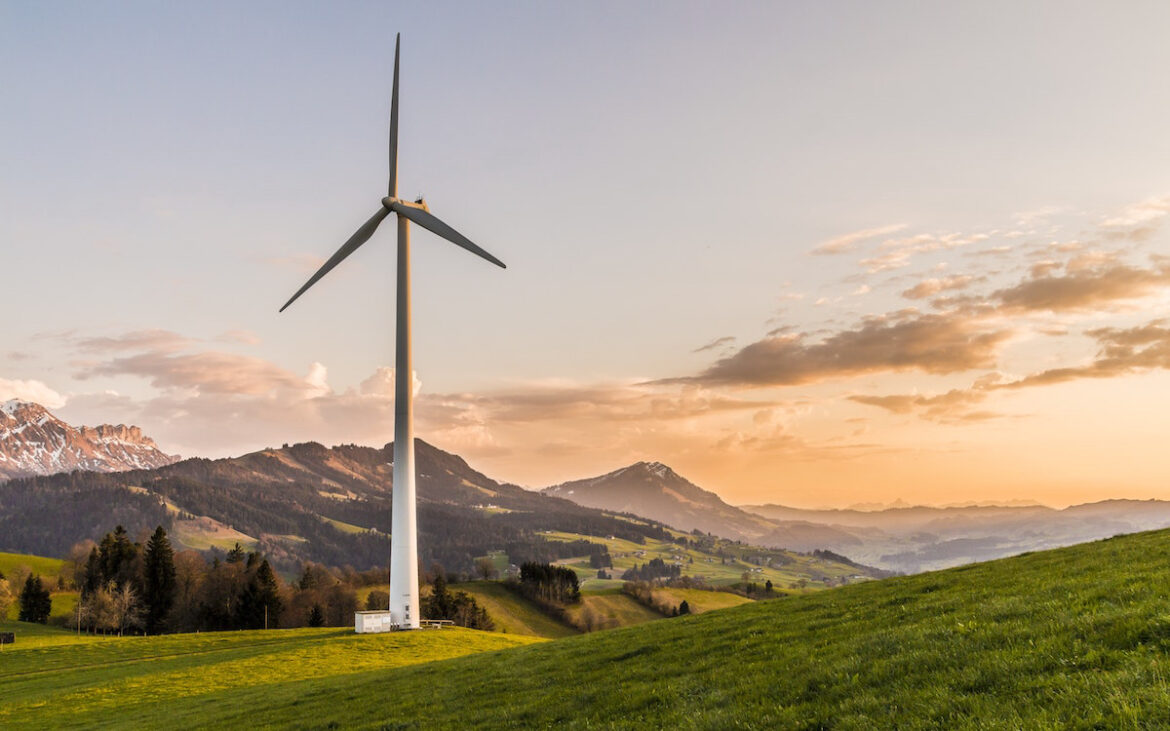
In 2025, Canada significantly accelerated its transition to renewable energy in rural and remote regions. The federal government allocated $650 million to the Clean Energy for All program, which aims to replace diesel generators with solar, wind, and microhydroelectric power plants.

This step is especially important for northern communities, where electricity is still generated primarily by imported diesel. Fuel delivery is expensive, unreliable, and environmentally hazardous. Switching to renewable energy will reduce both costs and carbon emissions.

In British Columbia, three hybrid power plants combining solar panels and microhydroelectric power plants have already been launched in the Fraser River Valley. They provide power to 12 farms and a local school. In Alberta, a pilot project involves installing wind turbines on farmland; farmers receive income from land leases and free electricity.

The technologies are adapted to local conditions. In the Arctic, solar panels with anti-icing coatings and wind turbines resistant to gusts of up to 150 km/h are used. The systems are equipped with smart batteries that store energy during the polar night.

Pages: 1 2

Advertising

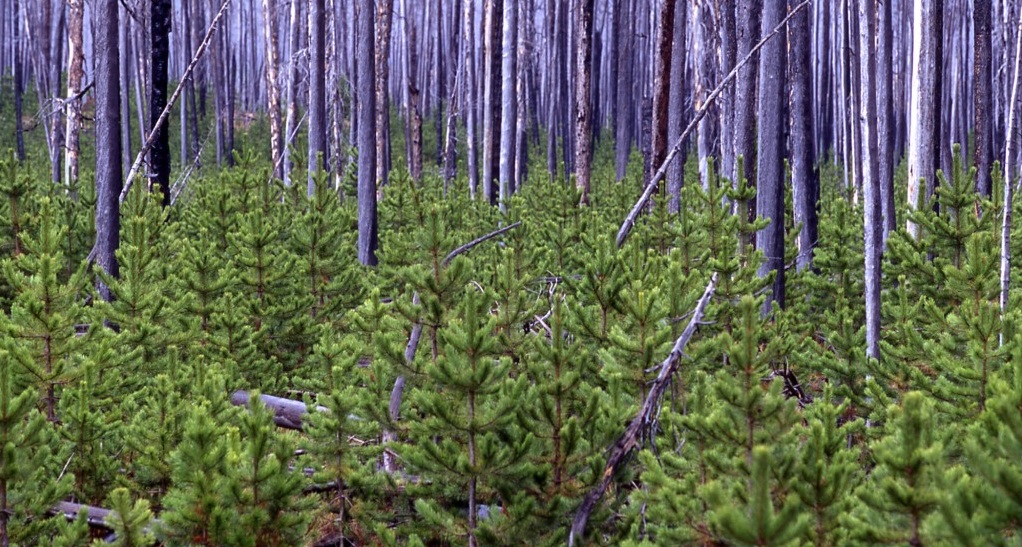
Following a record-breaking 2023 fire season that burned over 3.5 million hectares in central and northern Canada, the province of Ontario has launched a large-scale forest restoration program. In January 2025, it announced $180 million in funding to plant 200 million trees over five years.

The project, called “Greening Ontario’s Future,” is being implemented with support from the federal Ministry of Natural Resources, Indigenous communities, and environmental NGOs. Particular attention is being paid to restoring boreal forests—the continent’s key “lung” that absorbs millions of tonnes of CO₂ annually.

The planting is not random, but rather follows scientifically sound plans. Native species such as spruce, pine, and larch, which are resilient to the region’s climate, are used. In areas where fires have destroyed seed stock, aerial surveys and drones are being used to select optimal planting sites.

Indigenous peoples, such as the Cree and Ottawa, are included as partners in the process. Their traditional knowledge of forest ecosystems helps determine which species thrive best where. Furthermore, the project creates jobs in remote communities.

Pages: 1 2

Advertising

In February 2025, the Canadian government announced the launch of a new $3.5 billion federal program, “Future Rail.” The initiative aims to modernize freight and passenger rail lines, particularly in rural and remote regions where rail remains a key transportation link.

The primary focus is on upgrading rails, ties, and signaling systems on sections that have not been upgraded since the 1990s. The situation is particularly critical in northern Ontario and Quebec, where aging infrastructure slows the delivery of essential goods and agricultural products.

The program also includes funding for VIA Rail, the national passenger operator. The purchase of 32 new electric and hybrid trains is planned for routes between Toronto, Ottawa, Montreal, and Quebec City. This is expected to reduce travel times by 15% and reduce CO₂ emissions by 40%.

Particular attention is being paid to integrating rail with other modes of transport. Multimodal terminals are being built in the ports of Vancouver and Halifax, where containers can be quickly transferred from ships to trains. This strengthens Canada’s position as a transit artery between Asia and North America.

Pages: 1 2

Advertising

Canada’s agricultural sector ended 2024 with a historic result: the wheat harvest in the Prairies (Alberta, Saskatchewan, and Manitoba) reached 36.2 million tonnes, 12% above the five-year average. The Ministry of Agriculture and Agri-Food published these figures in January 2025, calling the season “one of the most successful in the last decade.”

This success was made possible by favorable weather conditions: moderate precipitation in the spring, a warm but not dry summer, and no early frosts in the fall. Furthermore, farmers actively utilized modern technologies, from precision farming to satellite crop monitoring.

Particularly high yields were recorded in southern Saskatchewan, where the average yield was 4.1 tonnes per hectare, a record since 2013. Local farmers note that the transition to resilient wheat varieties, resistant to diseases and climate change, played a key role.

Canada remains one of the world’s leading wheat exporters, particularly durum wheat used to produce premium pasta and bread. Export volumes are forecast to grow by 8-10% in 2025, primarily driven by Asia and the Middle East, where demand for high-quality grain is growing.

Infrastructure was also prepared for a record. Canadian National Railway increased the number of grain tankers by 15%, and the ports of Vancouver and Prince Rupert modernized terminals to speed up loading. This helped avoid congestion that in previous years sometimes delayed shipments for weeks.

Pages: 1 2

Advertising

The Government of Canada is continuing its ambitious housing affordability initiative, announcing in early 2025 a C$4.2 billion investment to build over 35,000 new affordable housing units across the country. Launched as part of the National Housing 2030 strategy, the program aims to alleviate pressure on the housing market in major cities such as Toronto, Vancouver, and Montreal.

The new projects will be implemented in partnership with provincial governments, municipalities, and non-profit organizations. The focus is on constructing low-rise apartment buildings in suburban areas with well-developed transportation infrastructure. This will reduce congestion in city centers and improve the quality of life for low- and middle-income families.

Particular attention is being paid to energy efficiency. All new buildings must meet Net Zero Ready standards—that is, be ready to operate with zero net energy consumption through solar panels, high-efficiency insulation, and heat recovery systems. The Ministry of Housing emphasizes that this will also help Canada meet its climate commitments under the Paris Agreement.

In Ontario, construction has already begun on two large residential developments in suburban Ottawa and Hamilton. In Alberta, projects are concentrated in Calgary and Edmonton, which are experiencing a significant influx of new residents due to economic growth and the availability of jobs in the technology and energy sectors.

Pages: 1 2

Advertising