
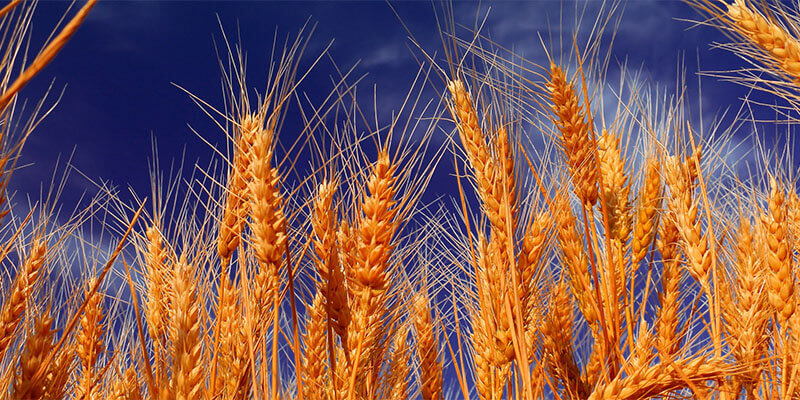
Canada’s agricultural sector ended 2024 with a historic result: the wheat harvest in the Prairies (Alberta, Saskatchewan, and Manitoba) reached 36.2 million tonnes, 12% above the five-year average. The Ministry of Agriculture and Agri-Food published these figures in January 2025, calling the season “one of the most successful in the last decade.”
Advertising
This success was made possible by favorable weather conditions: moderate precipitation in the spring, a warm but not dry summer, and no early frosts in the fall. Furthermore, farmers actively utilized modern technologies, from precision farming to satellite crop monitoring.
Particularly high yields were recorded in southern Saskatchewan, where the average yield was 4.1 tonnes per hectare, a record since 2013. Local farmers note that the transition to resilient wheat varieties, resistant to diseases and climate change, played a key role.
Canada remains one of the world’s leading wheat exporters, particularly durum wheat used to produce premium pasta and bread. Export volumes are forecast to grow by 8-10% in 2025, primarily driven by Asia and the Middle East, where demand for high-quality grain is growing.
Infrastructure was also prepared for a record. Canadian National Railway increased the number of grain tankers by 15%, and the ports of Vancouver and Prince Rupert modernized terminals to speed up loading. This helped avoid congestion that in previous years sometimes delayed shipments for weeks.