
Category:

Life Hacks

Advertising

Proper clothing care starts at home, not at the dry cleaner. A few simple habits will help preserve the color, shape, and texture of your clothes for a long time, reducing the cost of updating your wardrobe.

First, always read the labels. Temperature, washing cycle, and drying cycle are specified for a reason. For example, wool and silk require hand washing or a delicate cycle at 30°C.

Second, wash items inside out. This protects prints, preserves the color of jeans, and prevents pilling on dark fabrics. This is especially important for sportswear and denim.

Use laundry bags – they protect bras, lace, and small items from deformation and loss in the drum. For jeans and sweaters, use special mesh bags to prevent stretching. Replace powdered detergent with liquid detergent—it dissolves better, doesn’t leave streaks, and is suitable even for cold water. Add ½ cup of vinegar to the rinse aid compartment—this will soften the water and fabric without fabric softener.
Pages: 1 2

Advertising

Even in a small kitchen, you can create a system where everything has its place and cooking becomes a joy. The key is vertical use of space, multifunctional cabinetry, and clear organization.

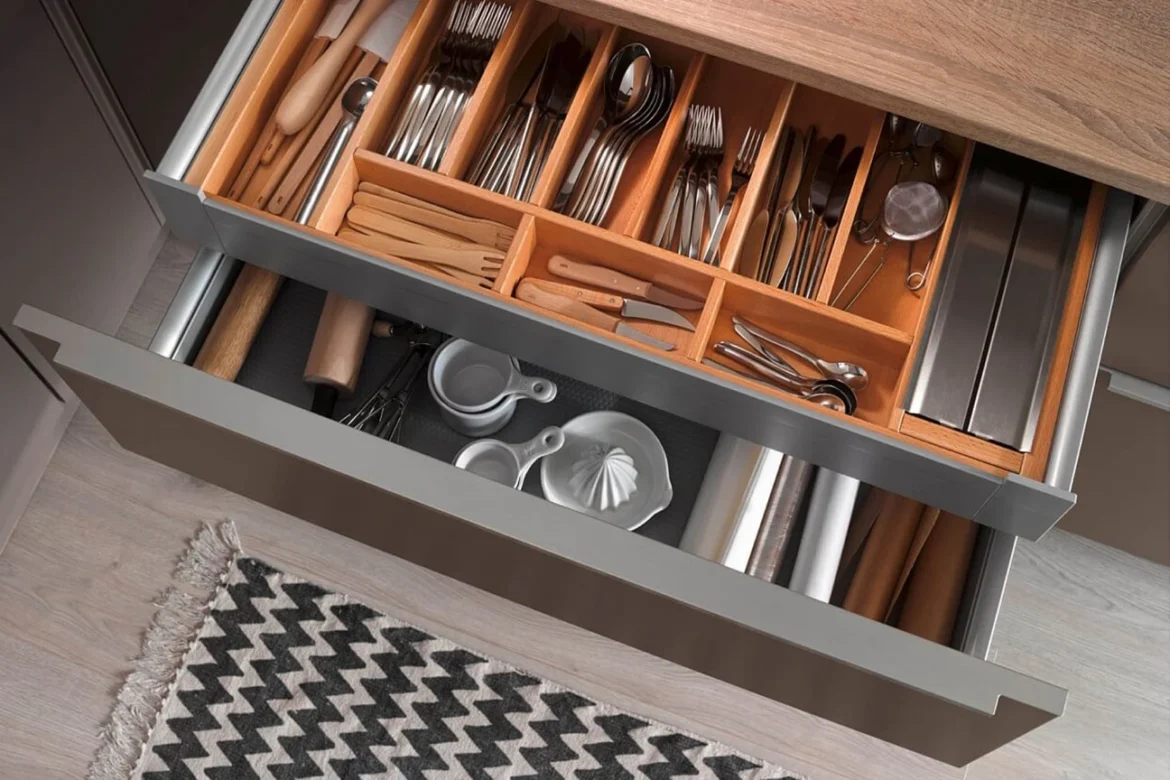
First, install magnetic strips for knives and metal utensils. This will free up drawers and keep tools readily accessible. Also, use hooks under cabinets for cups, measuring spoons, or potholders.

Second, implement a system of “storage zones”: spices and oils near the stove, detergents near the sink, and pots and pans under the counter. The closer an item is to where it’s used, the less time it takes to find it.

Use pull-out organizers and carousels in cabinets. They transform chaotic shelves into organized sections. They are especially useful for corner units, where half the items tend to get lost.

For storing grains and pasta, choose clear, uniform containers—they stack easily and the contents are always visible. Label them to distinguish between quinoa and barley.

Pages: 1 2

Advertising

Eco-friendly cleaning isn’t just a trend; it’s a smart choice for the health of your family and the planet. Vinegar, baking soda, lemon, and salt are four natural ingredients that replace most store-bought products and tackle even stubborn stains.

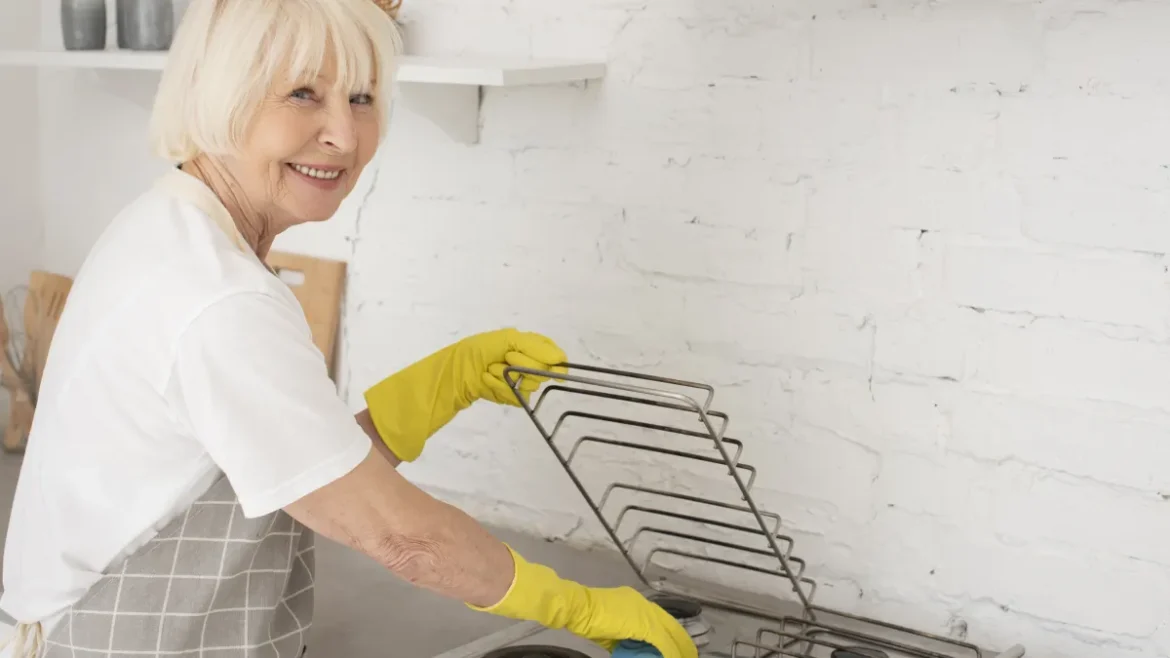
Acetic acid effectively dissolves grease and limescale and kills bacteria. To clean your stovetop, mix vinegar and water 1:1, apply to the surface, wait 10 minutes, then wipe with a damp cloth. For your range hood, add a little baking soda to create a powerful cleaning paste.

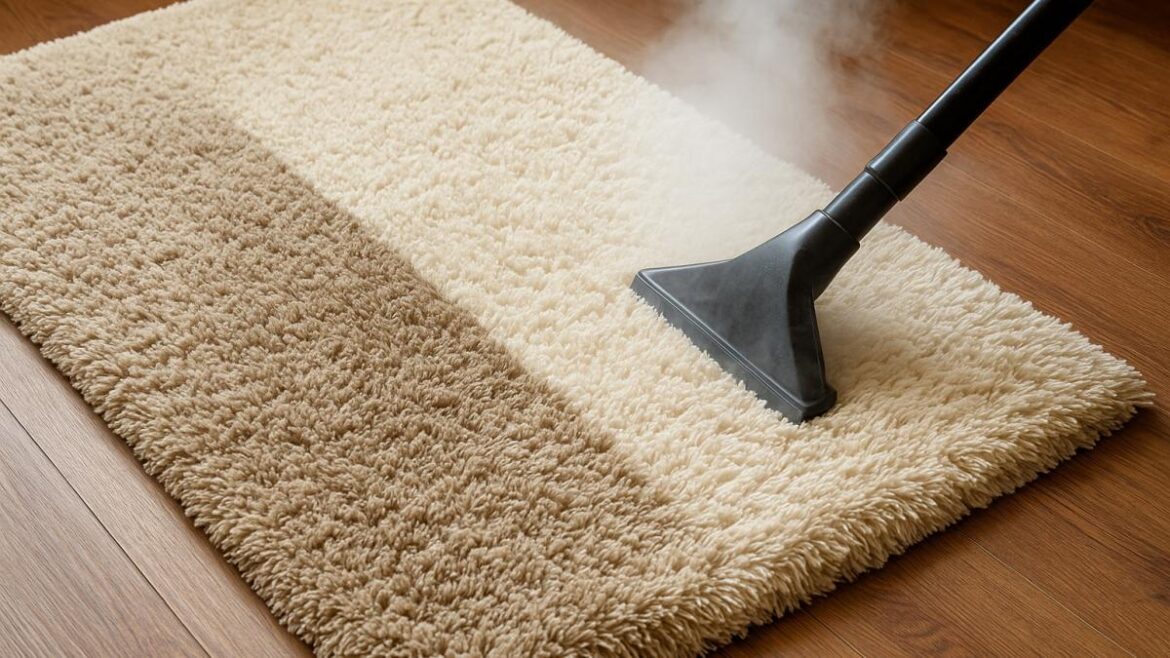
Baking soda is a mild abrasive, ideal for cleaning sinks, bathtubs, and pots. Sprinkle it on the surface, add a little water, scrub with a sponge, and even burnt-on residue will disappear. For carpets: sprinkle with baking soda, let it sit for 30 minutes, then vacuum to remove odors and dust.

Lemon is not only a source of vitamin C but also a powerful degreaser. Cut a lemon in half, sprinkle with salt, and rub it on rusty faucets or stains in your kettle. Rinse after 15 minutes—shine is guaranteed.

Pages: 1 2

Advertising

Many consider deep cleaning a tedious ritual, but with the right approach, it can even be therapeutic. The key is to break the process down into stages and follow a clear plan. In just two days, you can completely renovate your home without losing your energy or spirits.

Start by “zoning.” Divide your home into zones: kitchen, bathroom, bedroom, and living room. On the first day, focus on the “wet” areas—the kitchen and bathroom—where bacteria and grease accumulate the most. On the second day, tackle dust, textiles, and surfaces.

Use multi-purpose cleaners to avoid overloading your arsenal. A mixture of vinegar, water, and a few drops of essential oil is suitable for most surfaces except natural stone. A paste of baking soda and water is effective for grease on the stovetop and range hood—apply, wait 15 minutes, and rinse.

Don’t forget about “invisible” places: under the refrigerator, behind the toilet, inside the microwave. These areas accumulate dirt over the years. Clean them thoroughly once a quarter—use an old toothbrush for hard-to-reach corners.

Pages: 1 2

Advertising

A modern kitchen isn’t just a place for cooking; it’s also a space where efficiency directly impacts quality of life. To reduce cooking time without sacrificing flavor and nutrition, it’s worth implementing a few proven life hacks that will make the process faster, cleaner, and more enjoyable.

First, always plan your weekly menu in advance. This not only helps avoid impulse purchases but also allows you to chop and marinate ingredients in advance. For example, salad vegetables or meats can be stored in airtight containers for up to three days, saving up to 20 minutes daily.

Second, use versatile kitchen tools: a mandoline for fine slicing, a garlic press instead of peeling and mincing by hand, and multi-section cutting boards. This reduces ingredient prep time and minimizes the amount of dishes to wash.

One of the most underrated techniques is “parallel cooking.” While the rice is cooking, you can prepare the sauce or chop the salad. Using a timer on your smartphone is helpful for this – it will prevent anything from being overcooked or overcooked, especially if you’re monitoring several dishes at once.

Storing spices in clear, labeled jars and placing them within easy reach (for example, on a magnetic strip near the stove) speeds up the cooking process. You won’t have to search for salt or pepper in the depths of drawers – everything will be within reach.

Pages: 1 2

Advertising