
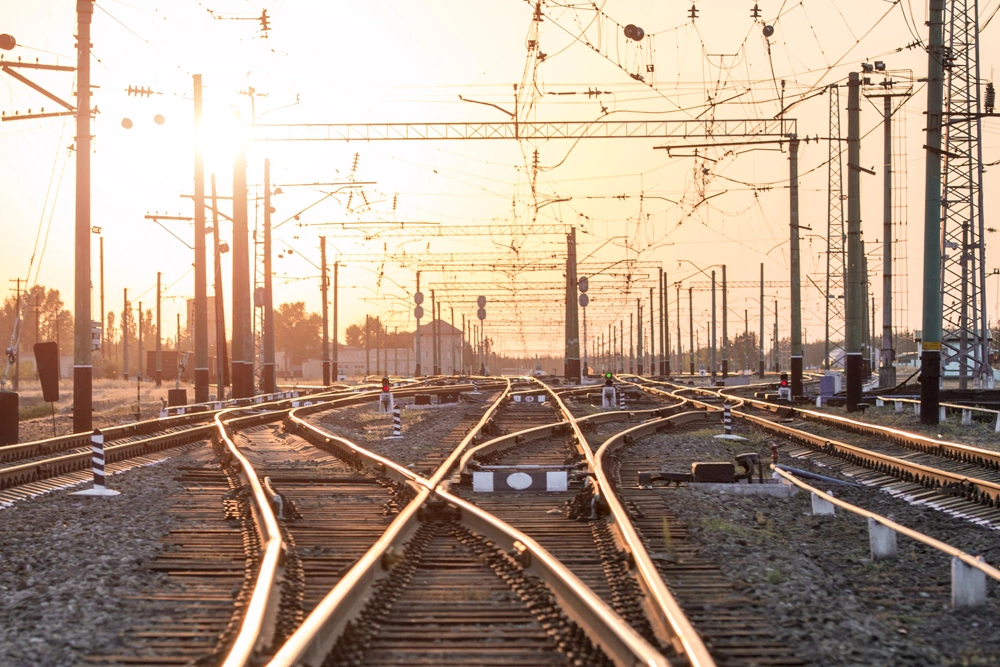
The project’s economic impact is estimated at over 18,000 jobs over the next three years, ranging from engineers to construction workers and logistics specialists. Furthermore, a reliable rail network will reduce dependence on road transport, which is more expensive and more harmful to the environment.
Advertising
In Manitoba, work has already begun on the Winnipeg-Thunder Bay section, a key grain export corridor. 120 kilometers of tracks will be replaced and a digital traffic management system will be installed, increasing capacity by 25%.
The program also includes grants for small rail companies serving remote communities. These companies will receive subsidies for maintenance and personnel training, which will improve the safety and reliability of transportation.
Experts note that Canada lags behind the US and EU in modernizing its rail infrastructure. The new initiative is an attempt to catch up and prepare for the growth of freight traffic amid expanding trade with Asia.
Railways are particularly important for Indigenous peoples. In the Northwest Territories and Nunavut, plans are underway to restore seasonal rail lines that provide for the delivery of fuel and construction materials during the winter.
Although the projects are spread over seven years, the first results—smoother train service, fewer delays, and a reduction in accidents—will be noticeable as early as 2026.