
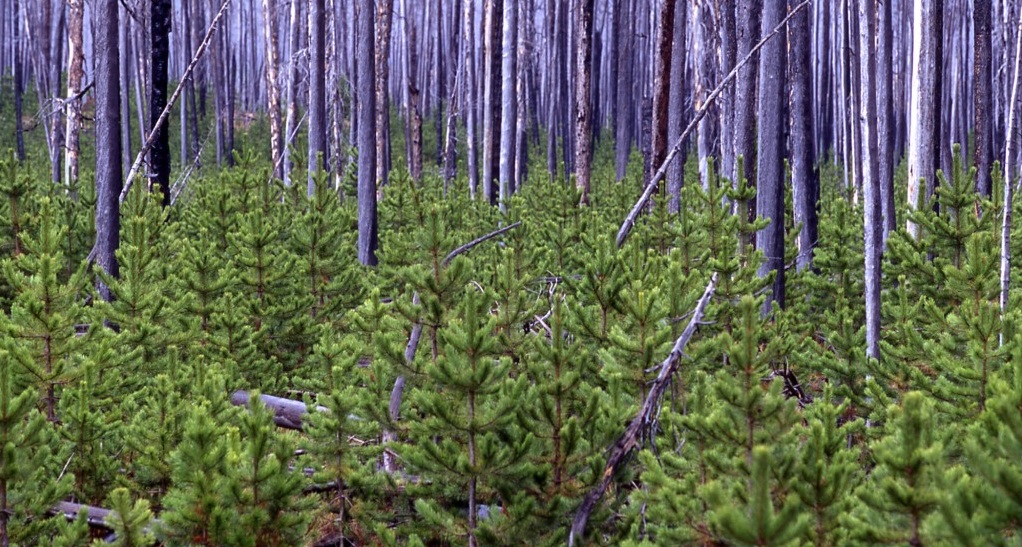
Forest restoration is not only an environmental but also an economic challenge. Healthy forests support the logging industry, tourism, and hunting. It is estimated that every dollar invested in reforestation yields up to $7 in long-term economic returns.
Advertising
The program also includes preventative measures: expanding the network of observation towers, installing early smoke detection sensors, and creating mineralized belts near populated areas. This should reduce the risk of catastrophic fire spread in the future.
Scientists from the University of Toronto are developing “smart” seeds—coated with a protective coating containing nutrients that enhance germination in parched soils. Initial trials showed an 85% survival rate, compared to 60% for conventional seeds.
Citizens can also participate: through the online platform “Plant Ontario,” anyone can “adopt” a tree, track its growth, and obtain geodata. In the first two weeks of the campaign, more than 2 million trees were “planted” virtually.
Climate change remains a key challenge: warmer and drier summers increase the risk of fires. Therefore, reforestation is combined with climate adaptation—for example, the creation of mixed forests that are more drought-resistant.
The “Green Future Ontario” project is an example of how ecology, economics, and traditional knowledge can work together for a sustainable future.