
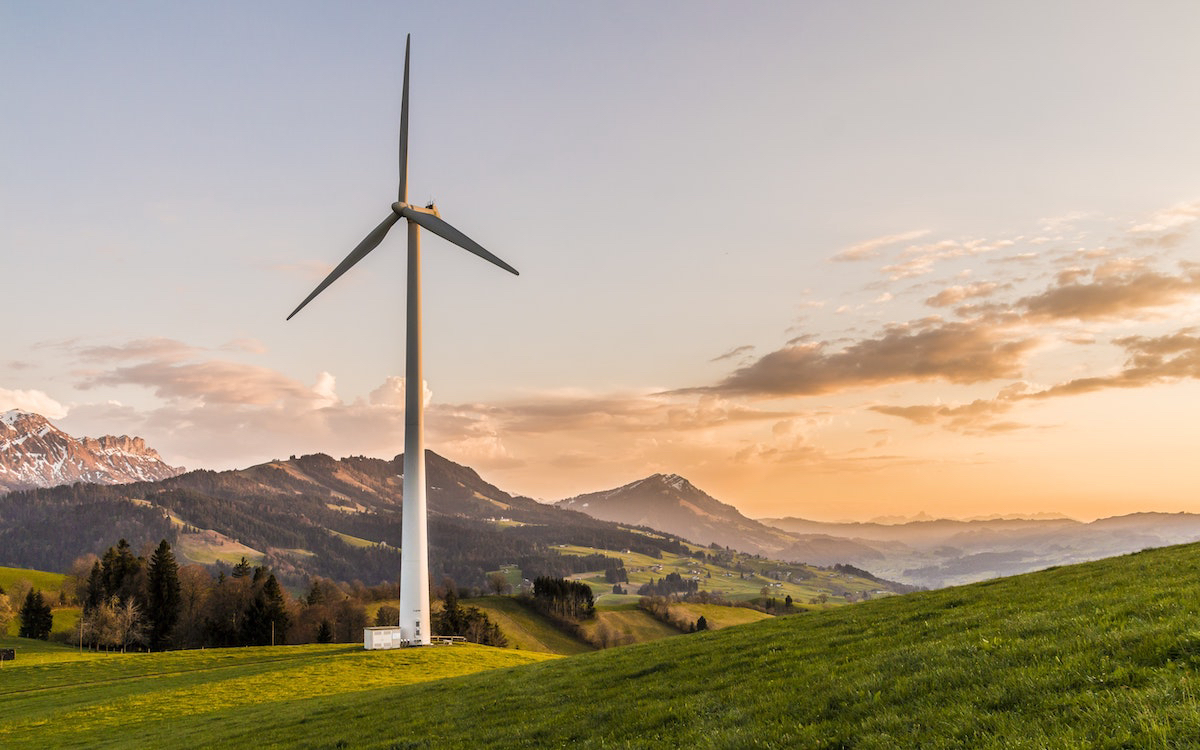
The program also supports microgrids—local systems independent of the central grid. This increases resilience to disruptions and gives communities energy independence.
Advertising
According to the Ministry of Energy, by 2030, 80% of the country’s remote communities will receive more than 50% of their energy from renewable sources. Already, 35% of Nunavut’s electricity is generated by renewable energy sources.
Funding includes grants for 100% of the equipment cost for non-profit organizations and subsidies of up to 70% for private farmers. This makes the projects accessible even to low-income farmers.
The environmental impact is significant: an annual reduction of 120,000 tonnes of CO₂ emissions is planned—the equivalent of taking 26,000 cars off the road.
Furthermore, the projects create new jobs: solar panel maintenance technicians, power system engineers, and logistics specialists. Training is provided through local colleges.
The transition to clean energy in rural Canada is not just an environmental initiative, but a step toward energy justice, economic sustainability, and climate responsibility.