
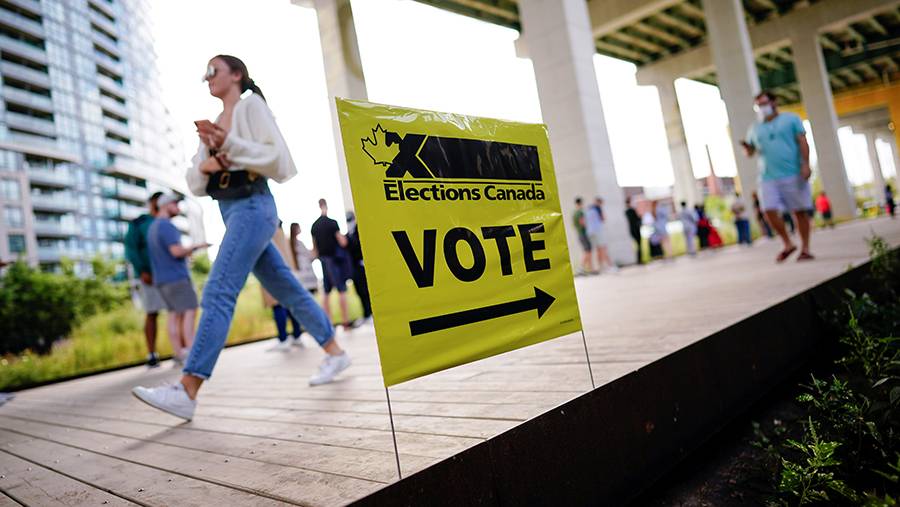
Particular attention has been paid to young voters. In partnership with the Ministry of Education, an educational campaign has been launched in schools and colleges explaining how the electoral system works and why participation is important. Digital materials are available in 20 languages, including indigenous languages.
Advertising
The Commission has also strengthened measures against disinformation. A dedicated monitoring center has been established to monitor disinformation on social media and promptly publish refutations on the official website and via SMS.
Campaign finance remains strictly regulated. The maximum individual contribution in 2025 is C$2,000 per party and C$1,750 per candidate. All donations are published in a public registry with a 30-day delay.
Interestingly, for the first time, the use of digital IDs (for example, through the Provincial ID app) is permitted for identity verification during registration, simplifying the process for young people and new immigrants.
Representatives of all parliamentary parties supported the changes, calling them “moderate but necessary.” Polls show that 68% of Canadians consider elections “reasonably accessible” but want more convenience.
While Canada traditionally demonstrates high levels of trust in its electoral system, these measures are aimed at strengthening inclusivity and preparing for the challenges of the digital age.